Storm Debris Removed Before Damage Spreads
Disaster Cleanup Across east Georgia, Northeast Florida and the Charleston Area for Properties With Fallen Trees and Storm Debris Requiring Rapid Removal
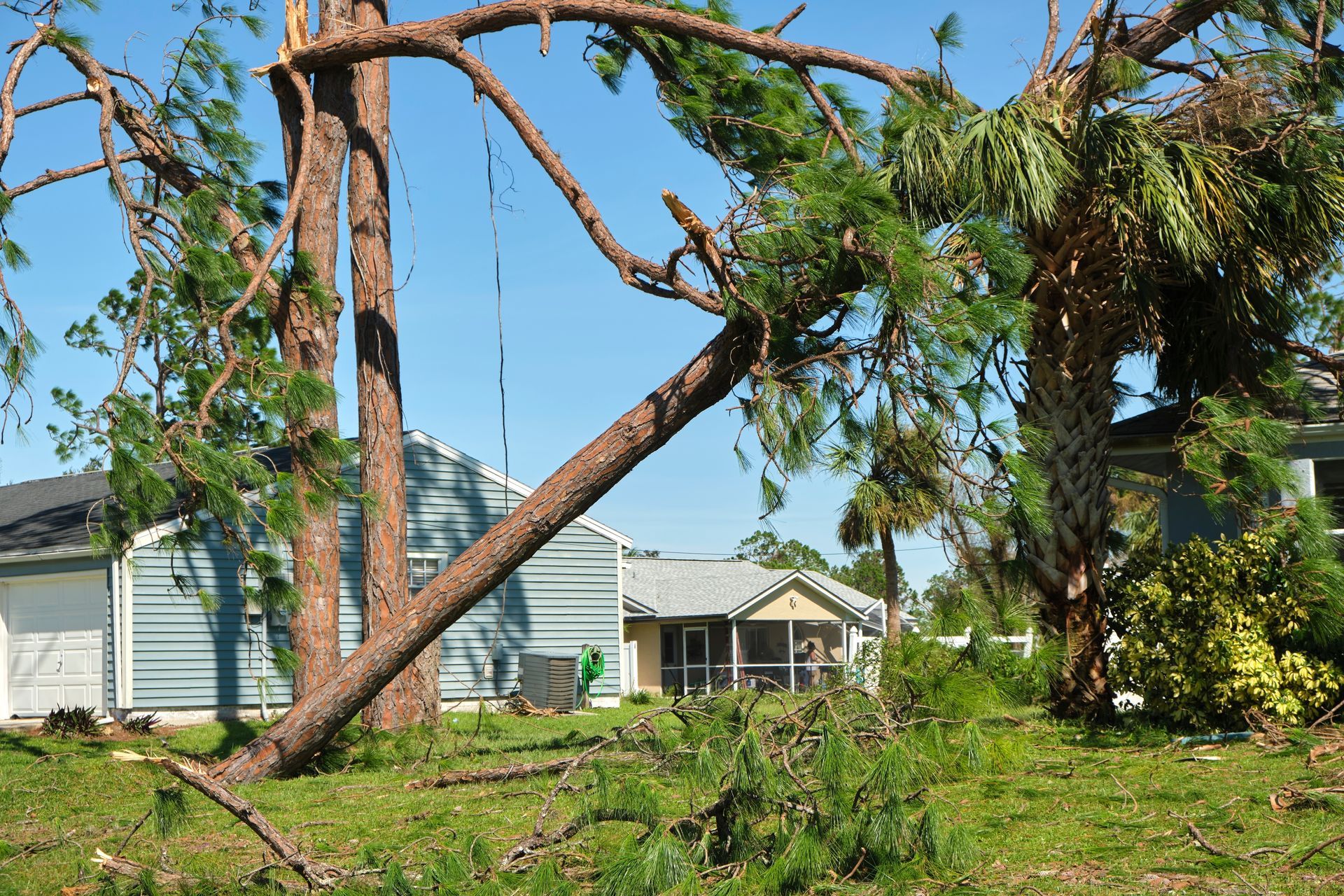
Severe storms, hurricanes, and high winds can leave residential and commercial properties covered with fallen trees, broken limbs, and other debris. BPA Land Services provides disaster cleanup throughout East Georgia, Northeast Florida, and the Charleston area, using excavators, skid steers, and other professional equipment to remove storm debris, restore access, and help property owners begin the recovery process.
Disaster cleanup can include removing fallen trees, clearing broken limbs, managing accumulated debris, and addressing uprooted stumps. Priority clearance focuses on debris that blocks driveways, access routes, and other important areas of the property so additional cleanup and repair work can move forward.
Contact BPA Land Services for storm debris cleanup when fallen trees and other debris are blocking access or creating problems around your property.
What Happens During Emergency Debris Removal
The cleanup process begins by evaluating fallen trees, broken limbs, and other debris to determine what needs to be addressed first. Large trees can be sectioned into manageable pieces, while skid steers and excavators help move heavy material and organize debris for removal.
Once major debris is cleared, driveways, work areas, and other parts of the property become accessible again. Removing storm-damaged vegetation also makes it easier to evaluate the property and determine whether additional land clearing, stump removal, grading, or other work is needed.
Disaster cleanup focuses on fallen tree removal, vegetation cleanup, and debris management. Structural repairs, roofing work, and utility repairs require the appropriate contractors or utility providers. Properties with extensive storm damage may also require cleanup in stages depending on debris volume, property access, and site conditions.
What Property Owners Usually Ask
Storm cleanup throughout East Georgia, Northeast Florida, and the Charleston area can vary considerably depending on the severity of the weather event, number of fallen trees, property access, and amount of debris.
What gets removed first during disaster cleanup?
Trees on structures or blocking emergency access receive priority, followed by debris in driveways and yard areas, with stump removal and final site clearing scheduled after immediate threats are addressed.
How Quickly Can Debris Removal Begin After a Hurricane?
Response time depends on storm severity, property access, and the extent of regional damage. BPA Land Services provides storm debris cleanup throughout East Georgia, Northeast Florida, and the Charleston area, prioritizing properties where fallen trees or heavy debris create immediate access or safety concerns.
What equipment removes large fallen trees from buildings?
Excavators lift heavy timber off structures using boom reach and lifting capacity that prevents additional damage during removal, and chainsaws section trees into pieces small enough for dump trailer loading once the immediate threat is stabilized.
When should stumps be removed after storm damage?
Stump removal happens after fallen trees and loose debris are cleared and hauled, typically within days of the initial cleanup when equipment returns to address root systems that pulled partially free or broke at ground level during the storm.
What documentation is needed for insurance claims related to storm debris removal?
Photographs of debris before removal, documentation of tree locations relative to structures, and receipts for hauling and disposal services support claims, and property owners should verify insurer requirements before cleanup begins to avoid disputes over covered expenses.
BPA Land Services provides disaster and storm cleanup throughout East Georgia, Northeast Florida, and the Charleston area, using equipment suited for fallen trees, heavy vegetation, and large amounts of debris. Contact us after a storm to schedule an assessment and begin clearing your property.